
Hey, remember when we used ‘derivative’ as an insult?
On Spotify's derivatives announcement, who controls the infrastructure, and what 'new revenue stream' means from the artist's end

The Exportable Revolution
On cooperative scaling, why every country has the same problem, and what Australia could send to the world instead of raw materials
What the Algorithm Thinks Australian Music Is
On US taste reproduced as global norm, the specific cost to Australian artists, and why local curation isn't nostalgia
The archive that doesn't exist
On unsigned artists, undigitised catalogues, and the particular cruelty of losing music that never got loud enough to be missed
The Poster Problem
On provenance, what audiences feel without being able to name it, and why live music runs on something that can't be automated

Stolen Songs
On AI training data, cultural IP, and the specific harm the debate keeps leaving out

Your Distributor Works for the Competition Now
On Universal's $775 million acquisition of Downtown, the data you've been sharing, and what the stickiness trap means for independent artists




Build Your Brand, Feed the Machine
The arts - particularly independent music - must look toward alternative means of connecting with audiences and fostering genuine community engagement. Because let's be honest, if your career depends on whether TikTok's algorithm likes you this week, you're not building a career - you're gambling with your artistic soul. It’s bloody depressing.
The Oldest New Idea in Music
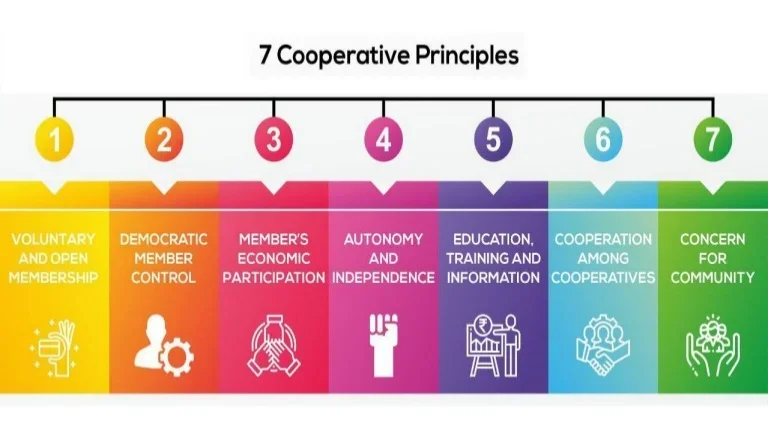
The Pack is something different - it's a patron-powered music streaming service that's actually forging mutually beneficial, direct, and transparent connections between local businesses, local listeners, and local musicians. With the radical notion that maybe, just maybe, we can create a sustainable music community through the ancient art of not exploiting each other.
Death by a Thousand Closures
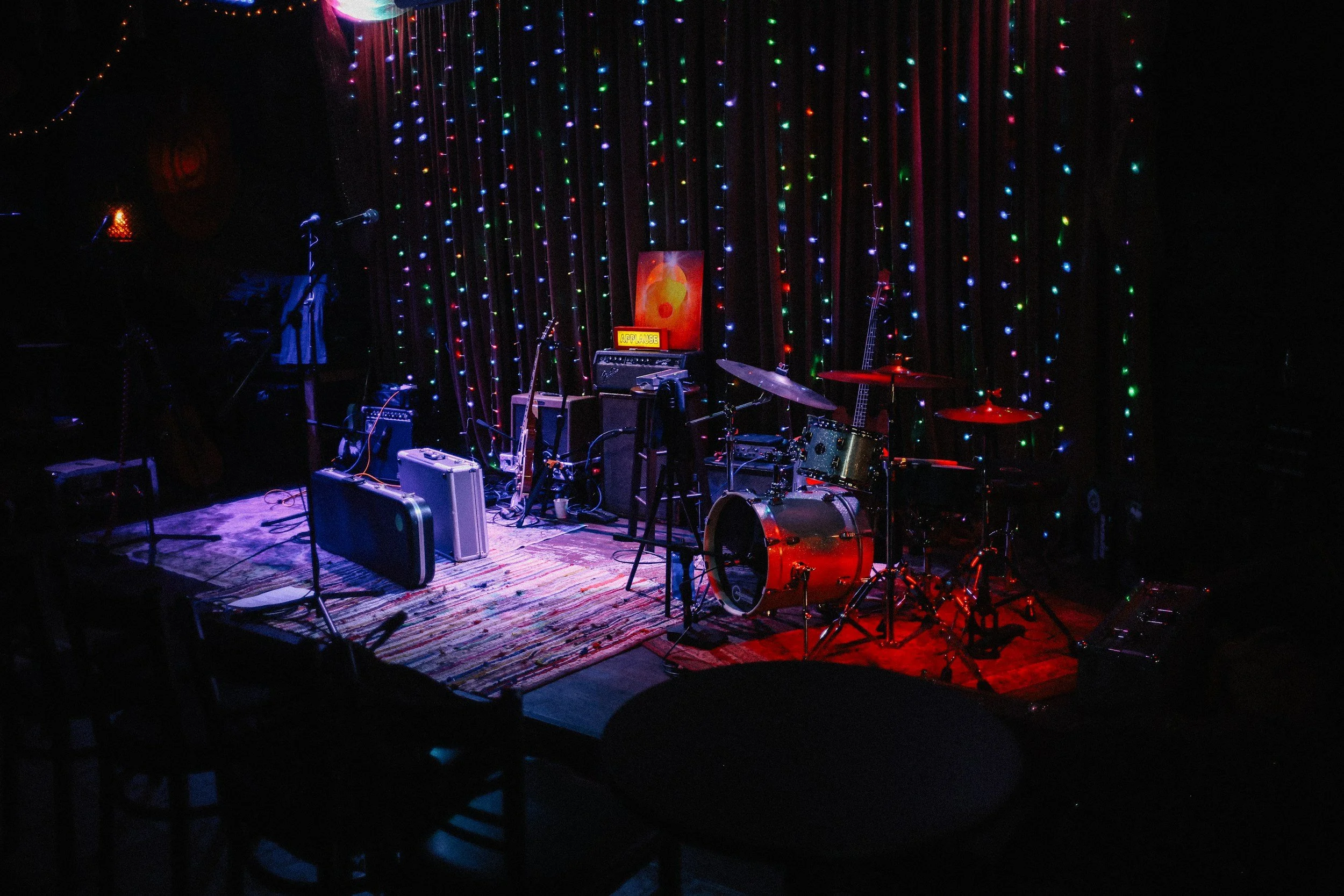
We now have just 81 dedicated live music venues across all of Western Australia. That's one venue per 33,000 residents. As a comparison, Melbourne has one per 8,785 residents. Welcome to WA's venue apocalypse, where bureaucratic red tape meets developer greed to create the perfect storm for cultural destruction.
The Cost of the Calling
Every government, funding body, and industry organisation should ask: Are we supporting artist wellbeing or systematically undermining it? The current system extracts maximum value from creative labour while providing minimal support. Artists burn out, give up, or worse.
Seventy-Two Cents
When the government can magically find $662 million for one town's mining transition but only $3(ish) million for our entire independent music sector, the message to WA’s cultural community is crystal clear: your creativity is about as valuable as yesterday's newspaper.

Australia's Most Expensive Talent Export Program
Welcome to WA's musical education paradox: world-class training, half-arsed career prospects. It's educational policy designed by people who apparently think "build it and they will come" applies to careers, not just fictional baseball fields.
Product
After nearly two decades running the world's largest music streaming platform, Daniel Ek is stepping down as CEO of Spotify and into Executive Chairman. And if you're thinking "Wait, doesn't that sound a bit like the corporate equivalent of your dad saying he's 'retired' but still showing up to the office every day telling everyone how to do their jobs?" Congratulations, you're paying attention.

The Label on the Label
When a retro-pop band called The Velvet Sundown racked up a million monthly listeners on Spotify earlier this year with catchy hooks and nostalgic sound, music fans were captivated. There was just one problem: the band wasn't real - every song, image, and backstory had been generated using AI.
This digital deception has sparked a crucial conversation about transparency in streaming - one that goes to the heart of what The Pack Music Co-operative stands for.

Digital Sharecroppers
For decades, we've been told that digital streaming platforms are the great democratisers of music - that technology, competition, and global reach would naturally lift artists out of poverty and give everyone a fair shot at musical success. This idea has been repeated so often by tech evangelists and music industry leaders that it's rarely questioned.