
Build Your Brand, Feed the Machine
On social media, the metrics that measure nothing, and what arts funding got wrong
For roughly a decade, the music industry's answer to how independent artists survive in a streaming economy was: social media. Build a following. Post consistently. Go viral if at all possible, ideally between Tuesday and Thursday when the algorithm is allegedly most receptive. The advice was dispensed by marketing consultants, arts funding bodies, music industry peak organisations, and well-meaning managers with the confidence of people describing a strategy that had worked for someone, somewhere, once.
The strategy was, at best, a lottery with a very small prize pool. At worst — and the evidence increasingly supports the worst as the more accurate framing — it was a decade-long transfer of value from artists to platforms, dressed up as opportunity and enforced by the funding infrastructure that was supposed to support the sector.
Something is shifting. Not quickly enough, and not without considerable rear-guard defence from institutions that built their assessment frameworks around digital metrics. But the reckoning is here, and it is worth understanding precisely what went wrong, because the same logic that produced social media as arts marketing strategy is still embedded in the systems that determine who gets funded and who does not.
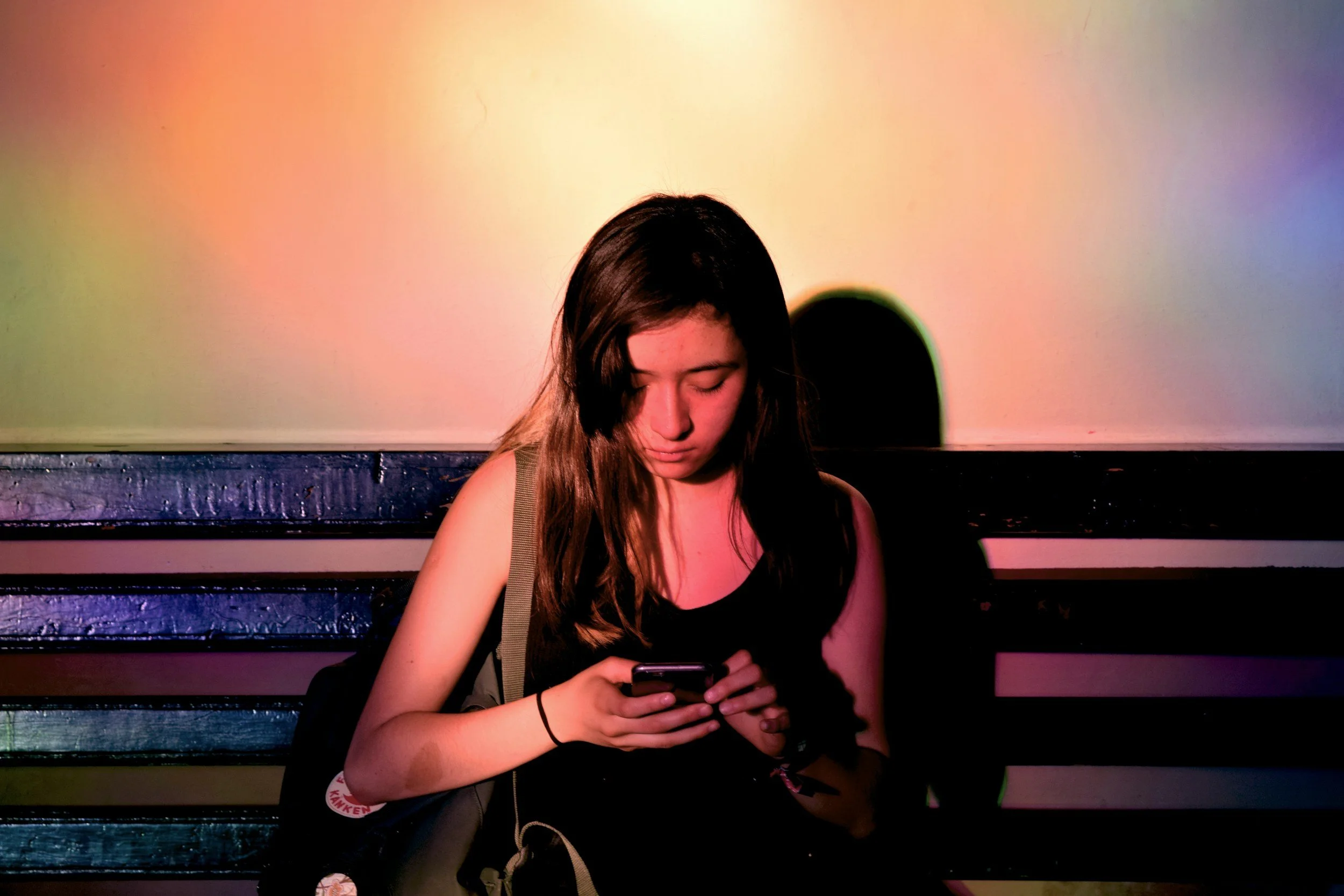
Facebook's organic reach for business pages has declined to approximately 0.07% of followers per post.(1) On a page with a thousand followers, roughly seven people see any given piece of content without paid promotion. Instagram operates on similar logic, deprioritising organic reach in favour of paid advertising. TikTok offers higher organic reach but on a platform whose algorithm is volatile enough that visibility one week provides no reliable indicator of visibility the next.
Against this backdrop, consider the streaming economics. Research published in 2023 found that 90% of artists generating over 100,000 Spotify streams annually earned less than $5,000 from those streams.(2) The median streaming royalty on the pro-rata model is a fraction of a cent per play, and the model rewards artists with the largest global audience — meaning, in practice, the artists who least need the subsidy. An artist with a passionate local following of several thousand people, playing to full rooms, may generate streaming numbers that look modest against algorithmic benchmarks while having a more economically sustainable practice than many artists with ten times the follower count.
The value these platforms provide to artists is substantially smaller and less reliable than the industry spent a decade insisting it was — and the costs were systematically ignored.
A 2023 study by the Australian Psychological Society found that 67% of musicians reported heightened anxiety and self-esteem issues directly linked to maintaining a social media presence.(3) It sits alongside a substantial body of international research on the relationship between platform engagement, algorithmic feedback mechanisms, and psychological harm. The platforms were designed with the assistance of behavioural psychologists to maximise engagement through variable reward mechanisms — the same principles that make poker machines effective. Artists were not just users of these systems but were required to perform on them, with their professional viability understood to depend on algorithmic approval.
57% of Gen Z reported taking a social media detox in 2023, rising to 63% in 2024.(4) Oxford University Press named 'brain rot' its 2024 Word of the Year. Digital minimalism is emerging as a self-conscious cultural movement among the people who grew up most thoroughly inside these systems and understand their mechanics most intimately. When the generation that built its social life on these platforms begins consciously retreating from them, it is not a trend. It is testimony.
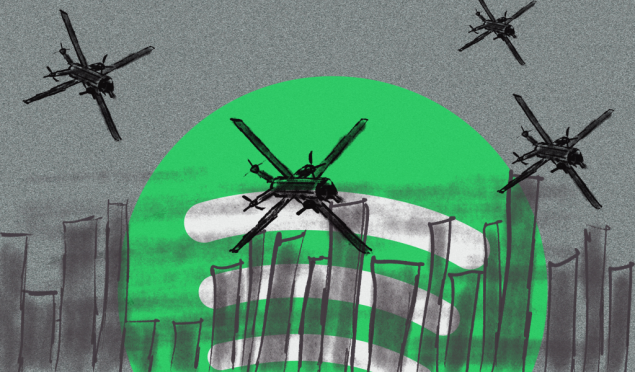
Daniel Ek's €600 million investment in Helsing, a military AI company, produced its own version of this testimony from the music side.(5) Artists including Deerhoof pulled their catalogues from Spotify in response, describing the platform as 'an already widely hated data-mining scam masquerading as a music company.' A platform whose founder is investing in autonomous weapons technology is one whose business interests have become legible in ways that complicate the 'we're just connecting artists and fans' positioning.
Graphics attribution: Leaf & Core
Australia's 2024 legislation against social media access for under-sixteens — the first such legislation in the world, passed with 77% public support — marks a cultural acknowledgement that the framing of these platforms as neutral infrastructure for connection was always a category error. They are commercial products designed to capture and monetise attention.
None of this would be quite so damaging to independent artists if the institutions designed to support them had not, over the same period, embedded social media metrics into their assessment frameworks as a primary indicator of artistic viability.
The logic was understandable in the way many bad ideas are understandable in retrospect. Funding bodies needed measurable indicators of reach and engagement. Social media provided numbers. The numbers looked objective. The fact that the numbers measured something other than what they appeared to measure — that follower counts could be purchased, that engagement could be manufactured, that the platforms' own incentive structures meant artists most rewarded by algorithmic visibility were not necessarily artists with the most significant practice — was not, for a long time, part of the official conversation.
The consequences are documented. Independent artists in experimental, niche, or locally-specific genres — the artists whose work is most likely to represent genuine cultural innovation and least likely to translate into algorithmic traction — were systematically disadvantaged in funding assessments. Older artists, regional artists, artists from communities without established social media literacy infrastructure, artists who chose not to perform their labour and vulnerability for platform engagement were penalised for the choice. Artists who were good at social media were rewarded, regardless of whether their artistic practice merited the reward.
The Canada Council for the Arts has moved to address this directly, introducing funding streams that evaluate community impact, artistic risk, and cultural innovation rather than audience size.(6) It is not a complete solution — measuring cultural significance without resorting to proxies of some kind is genuinely difficult — but it reflects a willingness to ask whether current proxies measure what we actually care about. Artistic innovation, risk-taking, and genuine community embeddedness are rarely reflected in social media numbers.
The practical questions are assessable: how does this artist contribute to their local scene? Have they built relationships with underserved communities, developed new live formats, supported other artists in ways that don't show up in a metrics dashboard? Has their work taken artistic risks, challenged conventions, developed over time in ways that indicate a genuine practice rather than a content strategy? These questions require assessors who are familiar with the sector — who go to gigs, read the reviews, know the work. This costs more than running a spreadsheet.
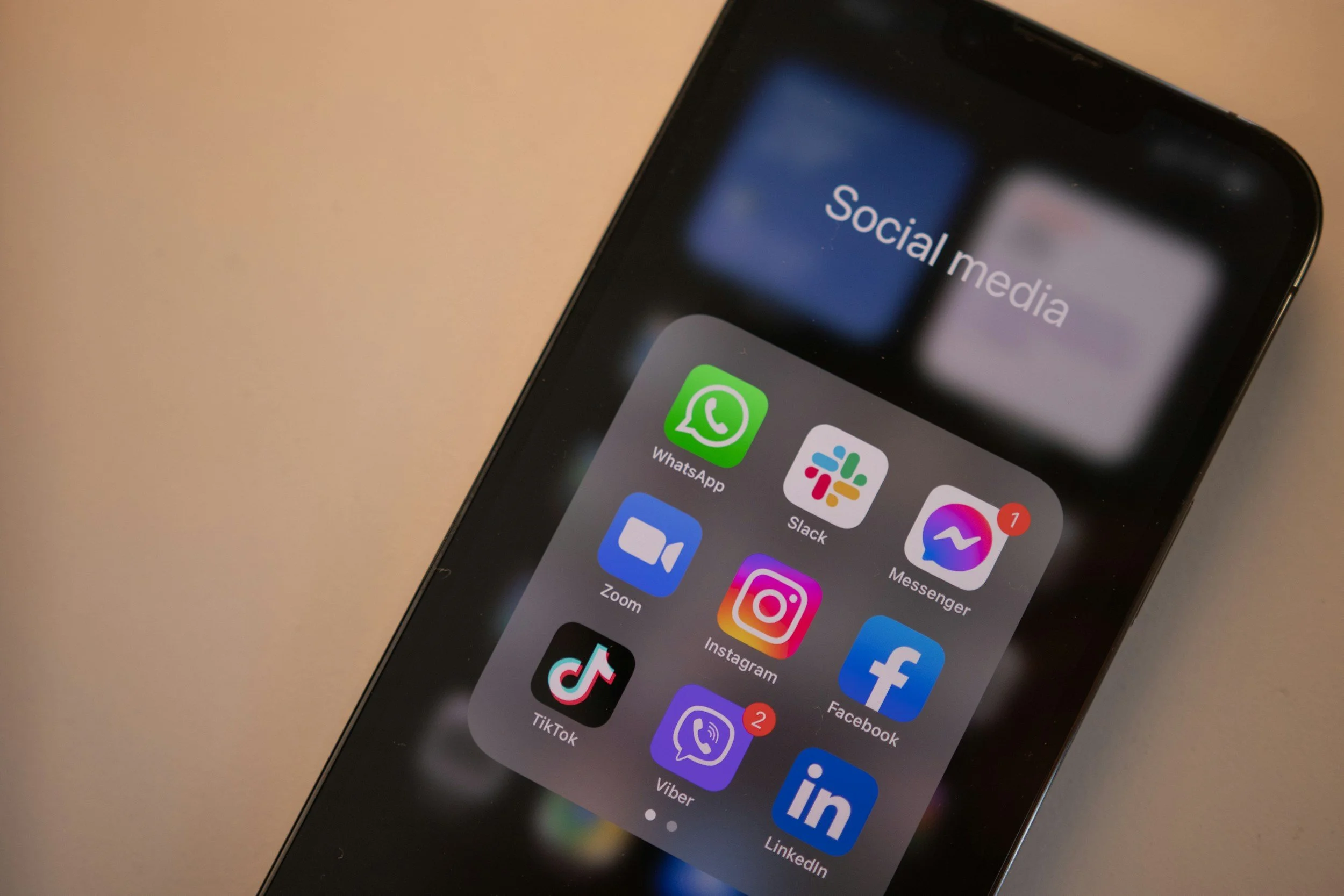
The question of what replaces social media as an arts marketing strategy is less complicated than it is sometimes made to appear, because the answer is largely what existed before social media and continued to exist alongside it for artists who never abandoned it: genuine community engagement, local relationships, live music, independent radio, direct artist-to-fan communication through channels the artist owns and that don't extract a rent in the form of algorithmic compliance.
Bandcamp has demonstrated, at meaningful scale, that direct purchase relationships between artists and fans are commercially viable — the platform has generated over a billion dollars in direct artist revenue since its founding.7 The model is not complicated: fans pay artists directly for music and merchandise, the platform takes a modest percentage, and the relationship is between the person who made the thing and the person who wants it, without an advertising structure in the middle extracting the majority of the value.
The social media era is not over. The platforms are still large, still influential, still capable of delivering genuine visibility to artists who navigate their systems effectively. But the consensus that they represented the primary and necessary infrastructure for independent arts marketing has broken — and it has been broken by the people who were supposed to benefit from it most.
The artists who will build the next version of the independent music sector are mostly not the ones with the largest follower counts. They are the ones who kept building genuine relationships with real people in real places, kept making work that mattered to specific communities, and declined to spend the last decade performing for algorithms that, as it turns out, were not performing for them.
Notes
HubSpot State of Marketing Report 2024; Social Media Examiner Industry Report 2024. https://www.socialmediaexaminer.com/social-media-marketing-industry-report/
Trichordist Streaming Price Bible 2023. https://thetrichordist.com/streaming-price-bible/
Australian Psychological Society, musician wellbeing survey, 2023. https://psychology.org.au
GWI (Global Web Index) social media detox data, 2023-2024. https://www.gwi.com
Prima Materia / Helsing investment, Music Business Worldwide, 2022. https://www.musicbusinessworldwide.com
Canada Council for the Arts Strategic Plan 2021-2026. https://canadacouncil.ca/about/public-accountability/strategic-plan
Bandcamp cumulative artist revenue — reported by platform and music industry press. https://daily.bandcamp.com
If you've made it this far, you probably care about where music is headed.
So do we — that's why we built something different. The Pack Music Co-operative is Australia's first musician-owned streaming platform: cooperative-governed, human-curated, and built on the radical premise that the people who make the music should own the infrastructure that distributes it.
Join the Pack — become an early adopter member, support our crowdfunding campaign, or lend your voice as an Ambassador: 👉 packmusic.au/join-the-pack
Back the campaign — every dollar goes directly toward getting us to launch: 👉 crowdfunding.startsomegood.com/thepackmusiccoop
Read our story — where we came from, why we built it, and what we believe: 👉 packmusic.au/who-we-are
Say hello — we genuinely want to hear from you: 👉 packmusic.au/contact